Arrange the Ride Home Separately
A wheelchair escort to the hospital exit does not include a vehicle ride. Ask the discharge planner who will book the transport and who will help the patient into the home.
Most hospitals in Mesa do not drive patients home after discharge; Mesa Medical Transport provides non-emergency rides for patients who need help making that trip. Hospital staff may assist a patient to the lobby or curb, while family or a separately booked transport provider handles the journey home. Planning that handoff before discharge helps ensure the vehicle and assistance fit the patient's mobility needs.
A wheelchair escort to the hospital exit does not include a vehicle ride. Ask the discharge planner who will book the transport and who will help the patient into the home.
A patient who can walk with light help has different needs from someone who must stay in a wheelchair or lie flat. Discuss transfers and positioning with the discharge team before choosing a vehicle.
Give the transport provider the pickup facility, destination, mobility level, and equipment needs. Confirm the pickup window with the discharge nurse so the ride and discharge paperwork are coordinated.
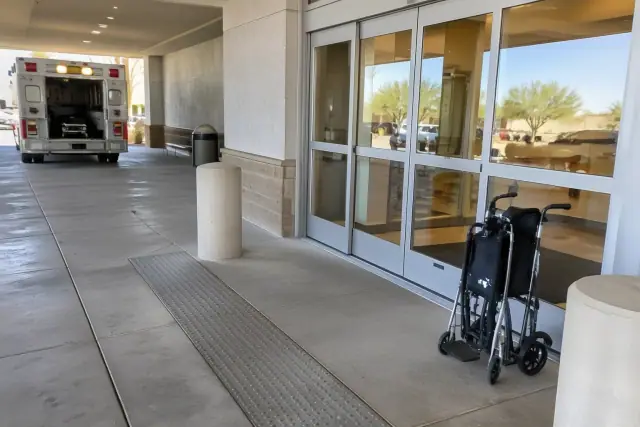
The hospital exit is the handoff between discharge assistance and the ride home. Confirm where the driver will meet the patient and which team will help with the transfer.
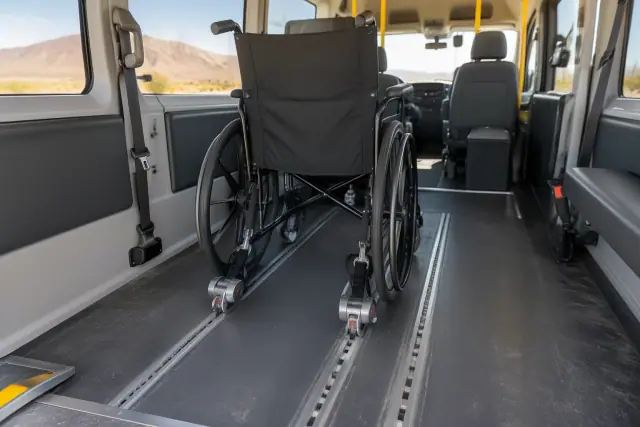
A wheelchair ride requires suitable vehicle space and securement. Discuss the patient's chair and transfer needs when booking so the provider can assign the right vehicle.
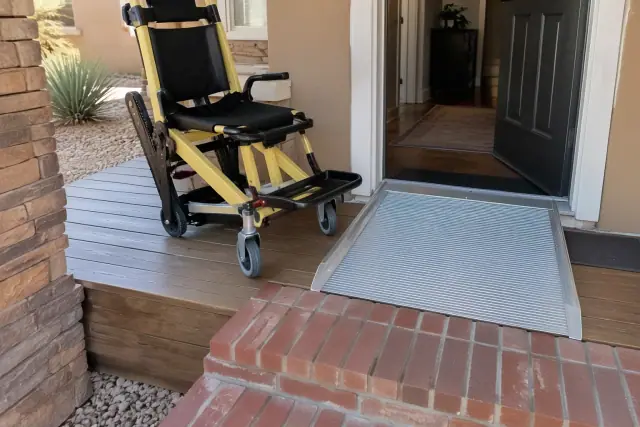
Steps at home can change the help needed after the ride. Tell the provider about short flights of stairs or a missing elevator so stair chair assistance can be planned.
Ask the care team whether a non-emergency ride is appropriate. If the patient becomes medically unstable, seek emergency help through 911 rather than booking a routine transport.
Explain whether the patient can move into a vehicle seat, must remain in a wheelchair, or needs a stretcher. Include stairs and any need for bariatric equipment or additional staff.
Scheduling 24-48 hours ahead gives more flexibility in vehicle assignment. Same-day booking is available for unexpected discharges; confirm the pickup window, including early morning or evening needs.
Medicare Part B generally does not cover routine discharge rides. Its ambulance benefit depends on medical necessity; check any Medicare Advantage transportation benefit and request the trip price before booking.
Hospital staff may help the patient reach the pickup point. For the road journey home, discuss these non-emergency options with the discharge team and transport provider.
| Patient or trip need | Transport to discuss | General cost range |
|---|---|---|
| Can walk with minimal assistance | Ambulatory transportation; confirm help getting into and out of the vehicle. | $40-$80 |
| Uses a wheelchair and cannot transfer independently | Wheelchair transportation with suitable vehicle securement. | $70-$150 |
| Must remain lying flat | Stretcher or gurney transportation with the required equipment and staffing. | $170-$400 |
| Needs reinforced equipment and additional staff | Bariatric transportation; confirm the equipment and assistance needed. | $200-$500 |
| Travels beyond the metro area or out of state | Long-distance medical transportation matched to mobility needs and mileage. | $125-$1,200+ |
Distance, equipment, and staffing affect the final cost. Request a quote for the pickup address, destination, and level of assistance before booking.
Discharge planners and social workers can help coordinate a ride, but that does not mean the hospital supplies the vehicle or pays for it. Before leaving, confirm who books the trip, where the driver meets the patient, and what help is included at home. Transport assistance can include a transfer from the hospital bed to a transport chair and help getting settled after arrival. For homes in Dobson Ranch, Red Mountain, or Las Sendas, describe the entrance and any stairs when arranging the ride, so the team can plan beyond curbside drop-off.
The discharge team's assessment of mobility and positioning should guide the choice of vehicle. Recovery from orthopedic surgery, cardiac procedures, or a respiratory condition can affect the assistance a patient needs even when they are stable enough to leave. Family transport may work when a standard vehicle and the available help are suitable; a wheelchair, stretcher, or bariatric ride addresses different equipment and staffing needs. Local trips in Mesa and the East Valley differ from travel beyond the Phoenix metro in distance and cost. Describe the complete journey, including transfers and the home entrance, before accepting a quote.
Does Medicare cover the ride home? Routine discharge transport generally is not covered by Part B; ask your insurer about your specific benefits before booking. Can a senior use a family car or rideshare? That depends on mobility, transfer needs, and the care team's advice; standard rideshare is generally an option only for fully ambulatory patients without mobility equipment. Will the hospital arrange later appointments? Follow-up rides usually need separate booking. Standing schedules can cover dialysis three times a week or chemotherapy every other week when those are the patient's appointment schedules, alongside physical therapy and specialist visits.
Share the pickup facility, destination, expected discharge time, mobility level, and any stairs or equipment needs. The transport team can coordinate with the discharge planner and provide a quote before booking, helping you confirm the ride home from the hospital.