How to Estimate the Full Trip Cost
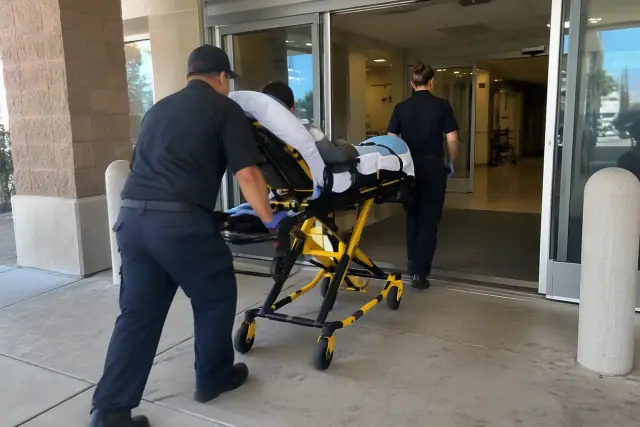
Estimate the total by adding the base fare, billable miles multiplied by the per-mile rate, waiting hours multiplied by the hourly rate, and any equipment surcharge. Confirm the included mileage so you do not count those miles twice. Phoenix metro per-trip totals average $40 to $120 depending on distance and vehicle type, including trips around Mesa and Chandler; specialized transfers can cost substantially more. Non-emergency ambulance transport has a separate pricing structure, with base rates starting around $100 to $225 plus mileage and separately billed waiting or standby.
Why Complex Trips Cost More
Long-distance stretcher transfers typically run $1,000 to $4,000+, reflecting attendant hours, fuel, and sometimes overnight crew lodging. Reinforced ramps, wider gurneys, and higher weight-rated lifts can increase bariatric transport costs. Evening or weekend scheduling, hospital discharge timing, and distance from Maricopa County population centers can also change a quote. Traffic along US-60 and Loop 202 and near Superstition Springs affects East Valley trip planning, so provide the actual appointment time when scheduling.
Common Follow-Up Questions
Does insurance cover the fare? AHCCCS covers NEMT for eligible Arizona Medicaid members, typically through their managed care plan; confirm covered services, advance booking, and authorization before arranging a ride. Standard Medicare generally does not pay for routine appointment transportation, while medically necessary ambulance transport has different coverage conditions. Some Medicare Advantage plans include transportation benefits, and commercial coverage varies by policy. Can recurring rides be scheduled together? Ask about a standing schedule for dialysis or chemotherapy and whether the price includes the return ride. Same-day requests depend on vehicle availability.